

Discover the truth about AI book publishing software in this 7-step review. See pricing, pros, cons, and whether it really works for beginners.
Introduction: Why Modern Publishing Is No Longer Limited to Authors
The rise of ai book publishing software has completely changed how everyday people turn ideas into income. What once required months of writing, expensive editors, designers, and technical publishing knowledge can now be handled with a single system. This shift isn’t about replacing creativity—it’s about removing friction that kept most people locked out of publishing for decades. Today, readers don’t care how a book is created; they care whether it solves a problem or delivers value.
Self-publishing platforms like Amazon KDP, Apple Books, and Audible are actively rewarding consistent publishers, not traditionally published authors. That’s where modern ai book publishing software fits in. It bridges the gap between knowledge and execution, allowing beginners to publish professional-quality books without technical overwhelm. The demand for ebooks, audiobooks, and low-content books continues to grow, and AI-powered tools are enabling faster, smarter production.
This review breaks down exactly how this system works, who it’s for, what it costs, and whether it’s actually worth your time. No hype—just a clear look at what you’re getting and whether this approach makes sense in today’s publishing market.
Who Is Responsible for Building This Platform?
Most self publishing software for beginners fails because it’s built by developers who have never published a book themselves. That’s not the case here. This platform was created by a team focused on solving real publishing bottlenecks—writing, formatting, distribution, and marketing—under one roof. The creators understood that beginners don’t need more features; they need fewer decisions and clearer workflows.
Instead of forcing users to juggle five different tools, this system was designed as a complete publishing ecosystem. That’s a critical difference. Beginners struggle not because they lack ideas, but because they don’t understand formatting rules, ISBN requirements, audiobook standards, or platform-specific publishing guidelines. This self publishing software for beginners removes those technical roadblocks entirely.
The team’s strategy is obvious: lower the barrier to entry so more people can publish consistently. By combining AI-assisted creation with automated publishing and built-in marketing tools, they’re targeting educators, retirees, creators, and side hustlers who have knowledge but zero publishing experience.

Key Information You Should Know Before Getting Started
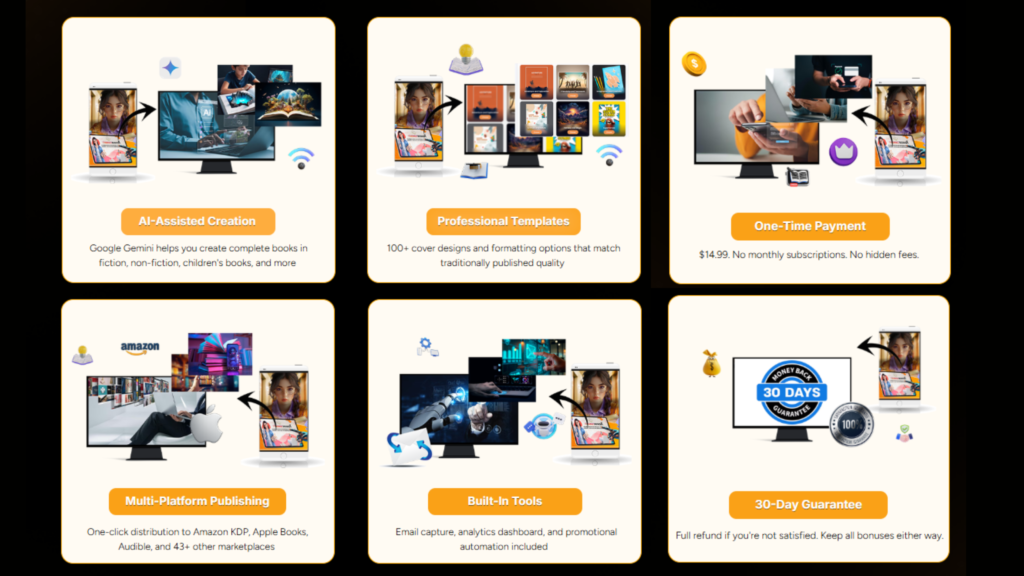
At its core, this platform functions as an ai ebook creation tool designed to handle every stage of the publishing process. Users can generate structured content, customize chapters, select professional covers, and convert books into multiple formats without external software. That includes ebooks, paperbacks, and even audiobooks using AI narration.
What separates this ai ebook creation tool from generic AI writers is integration. Content creation doesn’t stop at text generation—it flows directly into formatting, cover design, and marketplace publishing. The system supports dozens of platforms, meaning users don’t have to manually upload files or reformat content for each store. Everything is optimized automatically based on platform requirements.
Another key detail is licensing. The commercial license allows users to sell books they create or even offer book creation as a service to clients. Combined with built-in analytics and basic marketing automation, the tool positions itself as more than just a writing assistant.
A Clear Breakdown of What This System Actually Does
This product is best described as software to publish books on amazon and dozens of other marketplaces from one dashboard. Instead of writing a manuscript, hiring freelancers, and manually uploading files, users follow a guided process that simplifies everything into steps. You choose a niche, generate structured content with AI assistance, customize the output, and publish directly.
The value of software to publish books on amazon lies in automation and compliance. Amazon KDP has strict formatting and quality requirements, which cause many beginner submissions to get delayed or rejected. This system pre-optimizes files to meet those standards, reducing approval friction. Audiobooks, ebooks, and print formats are handled without separate tools.
The process isn’t “push a button and get rich.” You still choose topics, review content, and position your books properly. What the software does is remove the technical workload that usually kills momentum.
Product Review: Features That Actually Matter in Real Use
What stands out immediately is how this ai ebook creation tool is built for execution, not experimentation. Instead of dumping raw text and leaving you stranded, the platform guides users through structured chapters, readable flow, and formatting that already aligns with marketplace standards. That alone removes one of the biggest reasons books fail—poor presentation. Covers, layouts, and content formatting are handled inside the same system, which saves both time and money.
Another major strength is how the ai ebook creation tool integrates audiobook creation without forcing you into external services. The AI voice options allow users to create listenable audiobooks quickly, which opens an additional revenue stream most beginners ignore due to cost. Add to that real-time previews, drag-and-drop editing, and platform-specific optimization, and the tool feels more like a publishing engine than a writing app.
This isn’t about flashy AI tricks. It’s about removing friction at every stage so users can focus on topic selection, quality control, and consistency. The features are practical, not experimental, which is exactly what publishing beginners need.
Step-by-Step Operational Process From Idea to Published Book
The operational flow is intentionally simple, which is why this works well as self publishing software for beginners. You start by selecting a niche or topic, either from pre-researched ideas or your own concept. From there, the AI helps structure chapters logically instead of producing random blocks of text. This gives users a framework they can edit rather than starting from scratch.
Once content is generated, the editing phase is visual and intuitive. You can adjust tone, length, and formatting without touching complicated software. This is where self publishing software for beginners shines—there’s no need to learn Word formatting rules or Kindle layout standards. The system handles those automatically in the background.
Finally, publishing is handled with a few clicks. Instead of uploading files to multiple dashboards, the platform distributes the book across supported marketplaces at once. The entire process—from idea to live listing—can realistically be completed in a few hours, not months.


How the System Connects Creation, Publishing, and Sales
What makes this platform different from basic writing tools is how it functions as ai book publishing software, not just an AI generator. Creation is only one part of the system. Once the book is ready, the same dashboard manages formatting, publishing status, and performance tracking across platforms. That continuity is what most tools lack.
The ai book publishing software also includes built-in analytics, which helps users understand which books are selling, where traffic is coming from, and how pricing impacts performance. Instead of guessing, users can make data-backed decisions. This is especially useful for scaling beyond one book into a catalog strategy.
Marketing automation is another quiet advantage. Email capture, basic follow-up sequences, and promotional tools are included, which helps turn one-time readers into repeat buyers. The system isn’t just helping users publish—it’s helping them build a small publishing business without needing additional software.
Who This Platform Is Best Suited For (And Who Should Skip It)
This system is ideal for people who want software to publish books on amazon without dealing with technical chaos. Teachers, coaches, retirees, content creators, and side hustlers benefit the most because they already have knowledge but lack publishing experience. If you can follow instructions and make basic decisions, the learning curve is manageable.
People who want software to publish books on amazon for client work also fit well. The commercial license allows users to create books for others, which opens a service-based income stream. That’s something most publishing tools don’t allow without extra fees.
However, this is not for people expecting instant money with zero effort. You still need to choose viable topics, review content, and publish consistently. The system removes technical barriers—but it doesn’t replace responsibility. If you’re willing to put in focused effort, it’s a strong fit.
What Makes This System Worth Trying in a Crowded Market
Most tools promise results but ignore execution realities. What makes this stand out is how ai book publishing software removes multiple failure points at once—writing confusion, formatting errors, publishing delays, and lack of follow-up. Instead of stacking separate tools, everything is connected in a single workflow. That matters because beginners don’t quit due to lack of ideas; they quit because the process becomes overwhelming.
Another reason this ai book publishing software is worth trying is speed-to-market. Publishing fast allows feedback, reviews, and algorithm data to accumulate early. That compounds over time. The platform also reduces financial risk by eliminating recurring costs, which means users can experiment without bleeding money every month.
Most importantly, the system doesn’t pretend effort isn’t required. It simply lowers the cost of learning through action. That combination—low cost, low friction, and fast execution—is exactly why this approach resonates in today’s self-publishing environment.
What Makes This System Worth Trying in a Crowded Market
Most tools promise results but ignore execution realities. What makes this stand out is how ai book publishing software removes multiple failure points at once—writing confusion, formatting errors, publishing delays, and lack of follow-up. Instead of stacking separate tools, everything is connected in a single workflow. That matters because beginners don’t quit due to lack of ideas; they quit because the process becomes overwhelming.
Another reason this ai book publishing software is worth trying is speed-to-market. Publishing fast allows feedback, reviews, and algorithm data to accumulate early. That compounds over time. The platform also reduces financial risk by eliminating recurring costs, which means users can experiment without bleeding money every month.
Most importantly, the system doesn’t pretend effort isn’t required. It simply lowers the cost of learning through action. That combination—low cost, low friction, and fast execution—is exactly why this approach resonates in today’s self-publishing environment.

Why This Platform Makes More Sense Than Traditional Alternatives
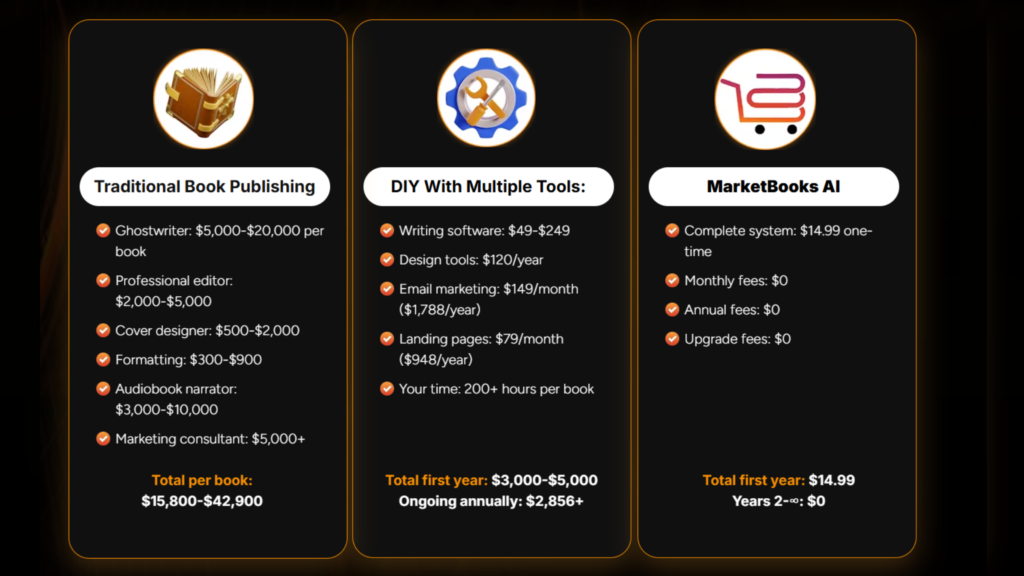
Traditional publishing paths are slow, expensive, and unpredictable. Hiring writers, editors, and designers upfront creates pressure before a single sale happens. This is where an ai ebook creation tool changes the equation by shifting risk from capital to effort. Instead of spending thousands, users invest time and iterate based on market response.
What strengthens the case for this ai ebook creation tool is integration. Writing tools alone don’t solve distribution or monetization. This platform connects creation directly to publishing, analytics, and basic marketing. That cohesion reduces decision fatigue and accelerates learning.
For users who value control and speed over prestige, this approach simply makes more sense. You own your catalog, test ideas quickly, and scale what works. That flexibility is nearly impossible with traditional publishing models.
Bonuses Included and Why They Actually Matter
Bonuses are often filler, but here they support the core use case of software to publish books on amazon more effectively. Pre-researched book ideas reduce guesswork. Cover templates eliminate amateur design mistakes. Email templates help capture reader attention after publication.
What makes these bonuses useful for software to publish books on amazon users is alignment. Each bonus addresses a known failure point—poor topic selection, weak covers, or no marketing follow-up. They’re not random add-ons; they’re execution support.
Even if a user only applies part of what’s included, the bonuses shorten the learning curve significantly. For beginners especially, having proven frameworks reduces trial-and-error and increases the odds of early traction.

Pros and Cons Based on Realistic Use Cases
One of the strongest advantages of this platform is how ai book publishing software eliminates recurring costs. Most competing tools lock users into monthly fees before they earn a single dollar. Here, the one-time pricing lowers financial pressure and allows experimentation without risk. Another major pro is speed—books can realistically be created and published in hours instead of months, which accelerates feedback and learning.
The integrated workflow is another benefit. With ai book publishing software, users don’t need separate tools for writing, formatting, publishing, and basic marketing. Everything is centralized, which reduces overwhelm and technical errors. The commercial license also adds flexibility for those who want to offer publishing services.
On the downside, success still depends on niche selection and consistency. The software doesn’t replace judgment or market understanding. Users expecting instant results without effort will be disappointed. It’s a system, not a shortcut.
Final Verdict: Is This Publishing System Actually Worth It?
For anyone evaluating self publishing software for beginners, the value proposition here is clear. The platform lowers entry barriers, removes technical complexity, and keeps costs predictable. That combination is rare in publishing tools, especially ones that also handle distribution and basic marketing.
What makes self publishing software for beginners appealing here is control. You’re not waiting for approvals, agents, or publishers. You publish, test, and adjust in real time. That autonomy is more valuable than most people realize until they experience it.
If your goal is to turn knowledge, ideas, or creativity into published books without drowning in tools and expenses, this system makes sense. It won’t do the work for you—but it will stop the work from stopping you.

Can You Really Make Money With AI-Created Books?
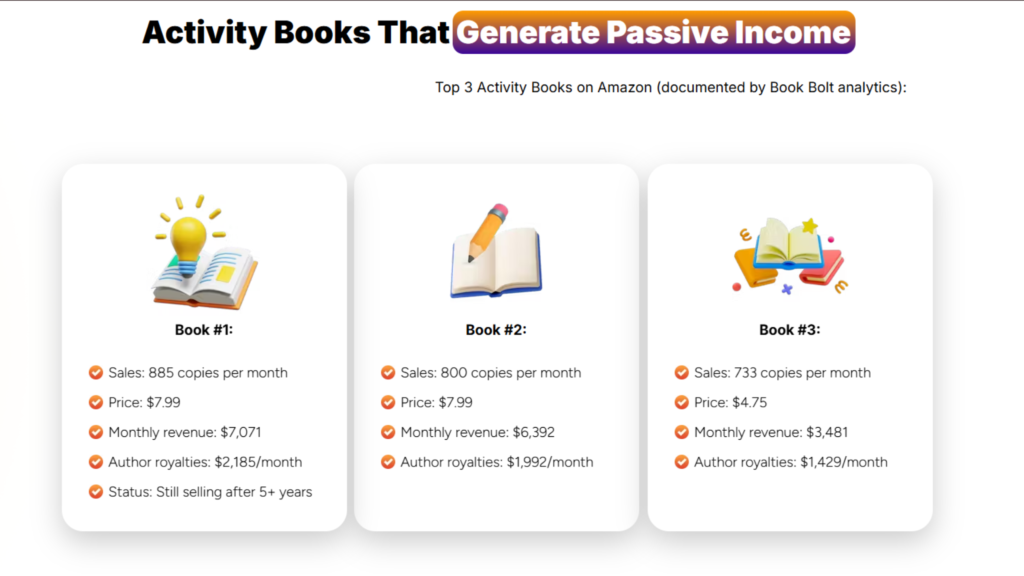
This is one of the most searched questions around modern publishing, and the short answer is: yes—but not automatically. Tools like ai book publishing software don’t create income by themselves; they remove execution barriers that used to block most people. Making money still depends on choosing the right niche, pricing correctly, and publishing consistently. AI speeds up production, but the market decides what sells.
Where people get confused is expecting a single book to explode overnight. In reality, income comes from building a small catalog and letting platforms test your books with readers. That’s where ai book publishing software becomes powerful—it allows faster iteration. Instead of spending months on one idea, you can test multiple concepts and double down on what performs.
Search demand shows that buyers want practical, problem-solving books, children’s content, and low-content formats. AI helps meet that demand faster, but quality control still matters. Users who treat AI as an assistant—not a replacement—are the ones seeing consistent results.
Is Self-Publishing Still Worth It for Beginners in 2025?
This question keeps trending because beginners are worried the market is “too saturated.” The truth is, self-publishing is not overcrowded—it’s overcrowded with low-quality books. That’s why self publishing software for beginners still has strong demand. Platforms reward books that meet quality, formatting, and reader expectations, not authors with experience.
For beginners, the biggest challenge isn’t competition—it’s complexity. Formatting errors, poor covers, and incorrect listings kill books before they get traction. That’s exactly where self publishing software for beginners changes the equation. It handles the technical side so new publishers can focus on content and positioning.
In 2025, self-publishing favors speed, consistency, and adaptability. Beginners who publish multiple well-presented books stand a better chance than perfectionists stuck on one manuscript. If you’re willing to learn basic market research and publish regularly, self-publishing is still one of the lowest-barrier digital businesses available.
Frequently Asked Questions People Ask Before Buying
Is this just another AI writing tool?
No. An ai ebook creation tool like this goes beyond writing. It handles formatting, publishing, and tracking, which basic AI writers do not.
Can beginners really use this without experience?
Yes. The workflows are designed to guide users step by step. That’s the core purpose of an ai ebook creation tool built for non-technical users.
Do I keep full rights to my books?
Yes. You retain full ownership and royalties after platform fees.
Is effort still required?
Absolutely. The tool removes technical barriers, not responsibility.
Hashtags
#AIbookpublishing
#AIpublishingsoftware
#AIBookCreator
#AIEbookTool
#AIPublishingPlatform
#SelfPublishingTools
#SelfPublishingSoftware
#AmazonKDPPublishing
#PublishBooksOnAmazon
#KDPTools
#BeginnerPublishing
#SelfPublishingForBeginners
#OnlinePublishingBusiness
#DigitalPublishingTools
#BookPublishingMadeEasy
#PassiveIncomeBooks
#MakeMoneyPublishing
#BookPublishingBusiness
#OnlineIncomeTools
#ContentToIncome
#AIForCreators
#AIBusinessTools
#AutomationForAuthors
#DigitalCreators
I wanted to thank you for this great read!! I definitely enjoying every little bit of it I have you bookmarked to check out new stuff you post…