
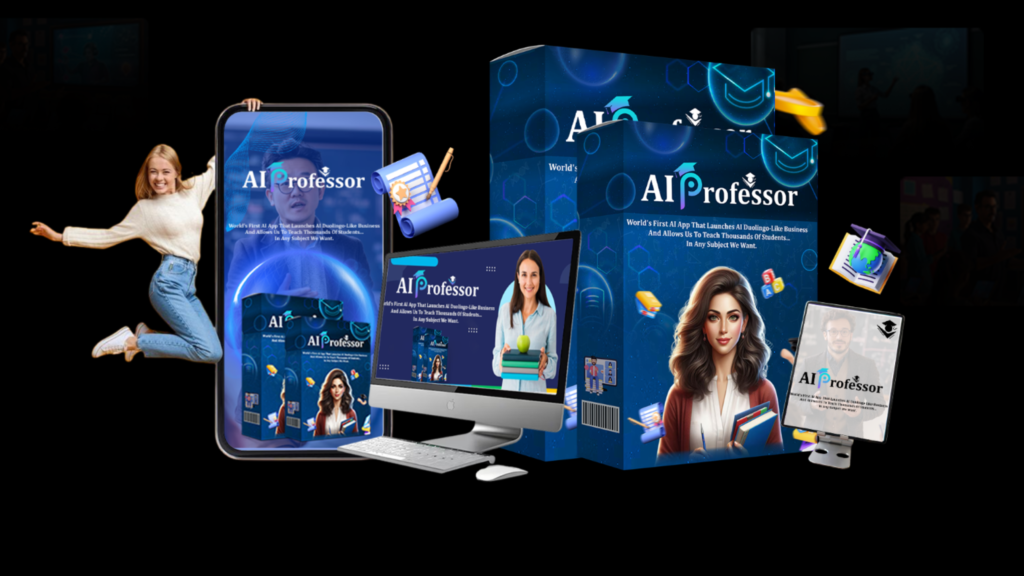
AI teaching video software review revealing 7 powerful truths. See pricing, features, pros, cons, and who should use it in 2025.
Introduction: The Rise of AI Teaching Video Software
AI teaching video software is rapidly changing how educational and explainer content is created online. Instead of recording lessons, appearing on camera, or hiring instructors, users can now generate teaching-style videos using AI-generated presenters. This shift is driven by creators, educators, and businesses looking for faster, scalable, and camera-free ways to explain ideas.
What makes this category especially attractive is accessibility. With modern AI teaching video software, users no longer need subject mastery, presentation skills, or production equipment. A topic prompt is often enough to generate a structured explanation delivered by a virtual presenter. This opens the door for beginners while also giving professionals a way to scale content efficiently.
However, not all tools in this space are equal. Many platforms promise “human-like teaching” but deliver robotic voices, shallow explanations, or limited customization. That’s why review-based analysis matters. This article breaks down what this system actually does, how it works, and whether it lives up to the claims commonly associated with AI teaching video software. If you’re considering AI-powered education tools, this review helps you separate real utility from marketing exaggeration.
Who’s Behind the Creation?
Every AI virtual teacher software is shaped by the mindset of its creators. In this case, the platform is built by marketers and AI product developers rather than traditional educators. That matters because the tool is optimized for speed, scalability, and monetization—not academic depth.
The creators position themselves as automation-focused builders aiming to remove friction from online teaching. Their background explains why the software emphasizes done-for-you avatars, instant explanations, and fast video generation. This is AI virtual teacher software designed for digital content ecosystems like YouTube, training portals, and social platforms—not classrooms or universities.
That’s not inherently bad, but it’s important context. Users expecting pedagogical rigor or curriculum-level accuracy may be disappointed. On the other hand, creators who want quick, structured explanations delivered by a virtual presenter will find alignment with the product’s intent.
Understanding who built the AI virtual teacher software clarifies its strengths and limitations. It’s a commercial-first system focused on replacing manual teaching tasks with automation, not a replacement for professional educators.

Key Details of the Product
At its core, this is an AI video generator for education that combines scripting, voice synthesis, and avatar-based presentation. Users input a topic, select a presenter, and generate a teaching-style video without recording anything themselves.
The platform operates entirely in the browser, removing the need for software installation or editing tools. Its primary value lies in speed—videos can be produced in minutes rather than hours. As an AI video generator for education, it supports multiple niches including training, explainers, internal onboarding, and general knowledge content.
Customization options typically include voice tone, presenter appearance, and teaching style. However, depth is limited to what the AI can infer from the prompt. This means accuracy and clarity depend heavily on how well the topic is framed.
The product also includes commercial usage rights, which is significant for agencies and freelancers. Overall, the key details show a tool built for volume and automation rather than precision teaching.
What Is This Product, Really?
Stripped of marketing language, this product is a faceless teaching video creator. It replaces cameras, instructors, and manual narration with AI-generated presenters that simulate teaching behavior.
The system does not “understand” subjects like a human teacher. Instead, it predicts explanations based on language patterns. That distinction matters. A faceless teaching video creator is best used for introductory concepts, overviews, and structured explanations—not advanced or highly technical instruction.
Its biggest appeal is anonymity. Many creators avoid teaching on camera due to confidence, privacy, or time constraints. This tool removes that barrier entirely. With a faceless teaching video creator, users can publish educational-style content without personal branding or on-screen presence.
The product succeeds when expectations are realistic. It’s not a magic teaching replacement—it’s an automation tool for producing explanatory videos at scale. Used correctly, it saves time. Used blindly, it risks producing generic content.
Product Review – Key Features
What separates this tool from generic video generators is its positioning as AI teaching video software rather than a simple avatar platform. The system focuses on explanation flow, teaching tone, and presenter-style delivery instead of flashy visuals. That’s a meaningful distinction for users who want clarity over entertainment.
One standout feature is automated explanation structuring. Instead of dumping raw narration, the platform attempts to organize content in a logical teaching sequence. This is where AI teaching video software adds value, especially for beginners who struggle with lesson flow. Another notable feature is avatar flexibility. Users can choose from prebuilt presenters or upload their own image to maintain brand consistency.
Voice synthesis is passable, not revolutionary. It sounds natural enough for explainer content but still lacks emotional depth. Lip-sync and facial movements are acceptable, though not indistinguishable from humans.
Built-in commercial rights make this attractive for agencies and freelancers. Overall, the feature set is practical rather than groundbreaking. The product works best when used as AI teaching video software for scalable explanations, not cinematic storytelling.
Step-by-Step Operational Process
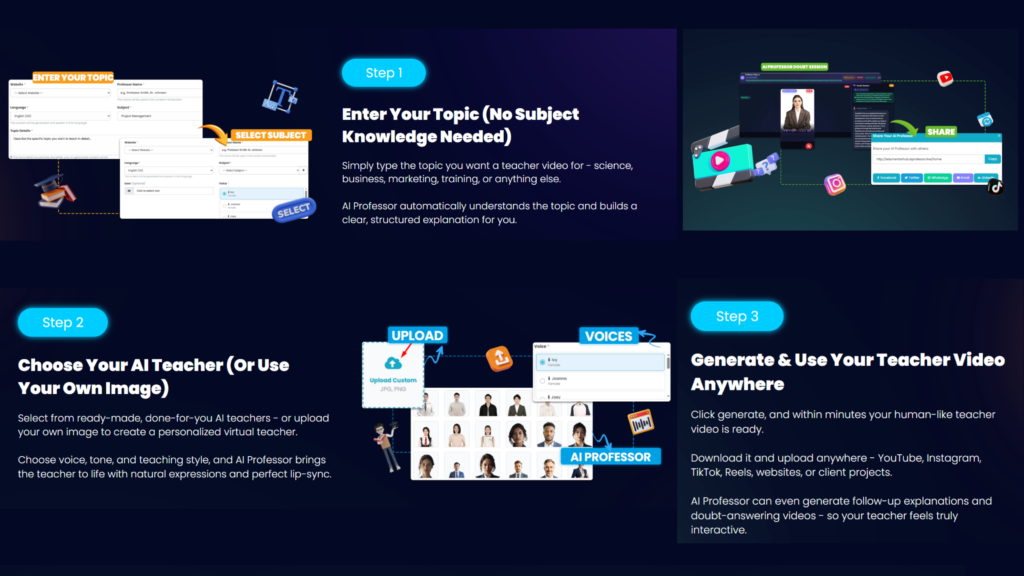
The operational process is deliberately simplified to appeal to non-technical users. As an AI video generator for education, the workflow removes most creative friction. Users begin by entering a topic or question they want explained. The system then generates a structured explanation automatically.
Next, the user selects a presenter. This can be a prebuilt avatar or a custom image upload. At this stage, tone and voice settings are adjusted. The AI video generator for education then maps the explanation to the selected presenter, synchronizing speech with facial movement.
Once settings are finalized, the video is generated in minutes. There is no timeline editing, scene cutting, or manual voice recording. This is intentional. The platform trades creative control for speed.
Finally, the video can be downloaded and used across platforms like YouTube, websites, or internal training systems. The step-by-step process prioritizes speed and accessibility, making the AI video generator for education suitable for users who value efficiency over precision.


How Does It Work?
At a technical level, this is AI virtual teacher software built on layered automation rather than true intelligence. The system combines language models, voice synthesis, and avatar animation to simulate teaching behavior. It does not reason like a human teacher; it predicts explanations based on patterns.
The AI virtual teacher software first converts the topic into a structured script. This script is then paired with a synthetic voice and synchronized with a virtual face. Facial expressions and lip movement are generated algorithmically, not recorded.
What makes it feel like teaching is pacing. The system pauses, emphasizes points, and follows an instructional rhythm. This gives the impression of a knowledgeable presenter even when the content is basic.
However, limitations are real. Complex subjects require careful prompting to avoid shallow explanations. The AI virtual teacher software performs best with general concepts, overviews, and beginner-friendly material. Understanding how it works helps users avoid unrealistic expectations.
Who Needs This Product?
This platform is not for everyone, and pretending otherwise would be dishonest. It is designed primarily for creators who want a faceless teaching video creator to publish educational-style content without personal exposure. YouTubers, short-form educators, and niche content builders fit this category well.
Agencies and freelancers also benefit. A faceless teaching video creator allows them to deliver explainer videos quickly without relying on clients to appear on camera. This shortens production cycles and increases margins.
Business owners can use it for onboarding and internal training, where clarity matters more than personality. Coaches and consultants may find value in scaling basic explanations but should not expect deep personalization.
Traditional educators seeking rigorous academic delivery will likely be disappointed. This faceless teaching video creator is a volume tool, not a mastery tool. It works best for those who prioritize speed, anonymity, and scalability over depth.
What Makes This System Worth Trying?
The real value of this platform is not innovation, but execution. As AI teaching video software, it focuses on eliminating friction rather than adding complexity. Users don’t need to learn editing, scripting, or presentation skills. That alone removes the biggest barrier most people face when trying to create educational content.
Another reason this system is worth trying is speed. Ideas can be turned into usable videos within minutes. For creators publishing frequently, that speed compounds. AI teaching video software like this allows consistent output without burnout, which is critical for long-term content strategies.
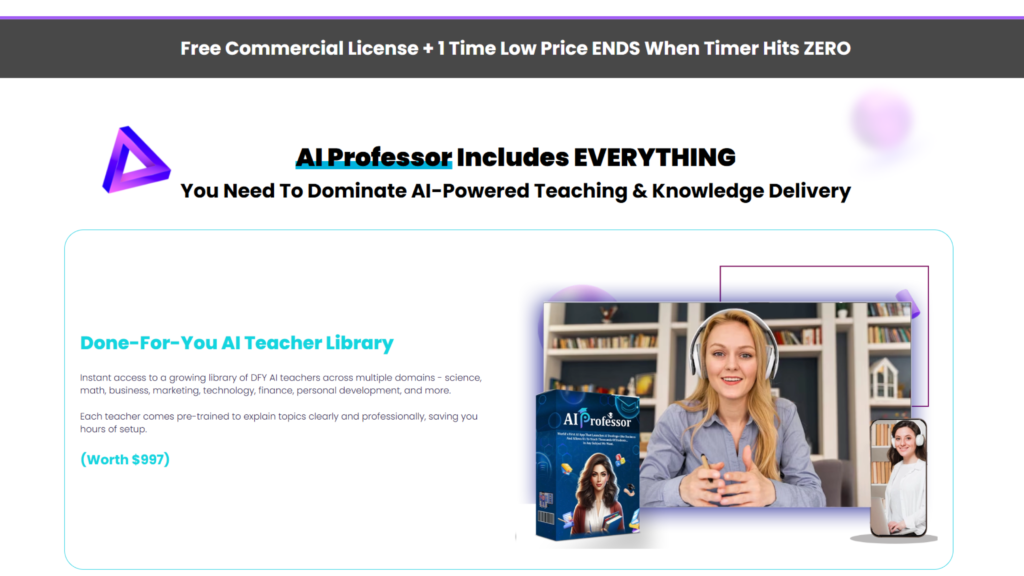
The inclusion of commercial rights also increases practical value. Many tools restrict usage or charge recurring fees. Here, users can monetize videos directly through clients, platforms, or internal training.
That said, it’s worth trying only if expectations are realistic. It will not replace deep expertise or human teaching nuance. As AI teaching video software, it’s best viewed as a productivity multiplier, not a knowledge authority. Used correctly, it saves time and reduces resistance to starting.
How Much Does the Product Cost? (Including OTOs Details)
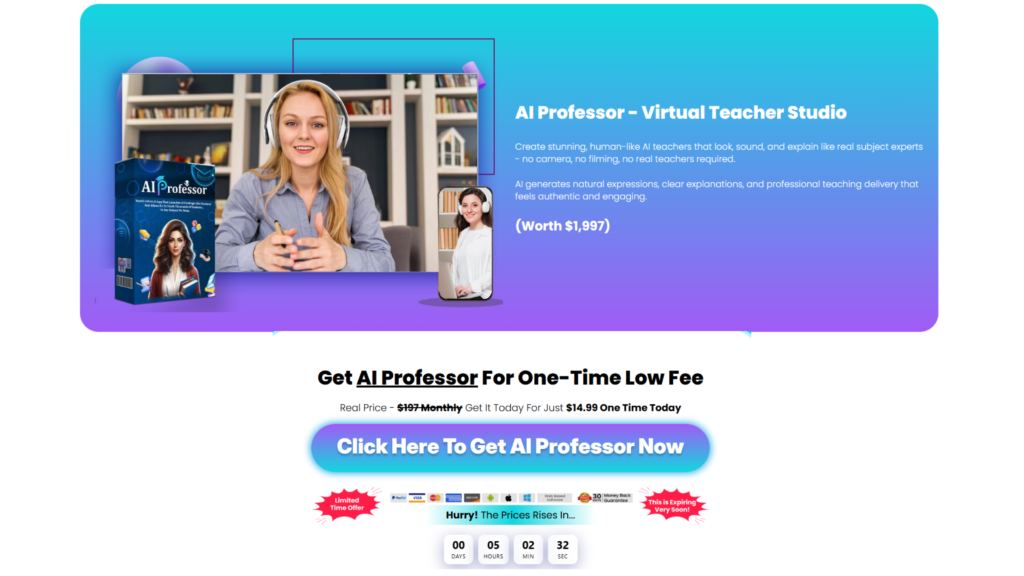
Pricing is framed aggressively to create urgency. The core product is marketed as a one-time payment, positioned against a much higher “future” monthly price. From a buyer perspective, this places it in impulse-purchase territory for an AI video generator for education.
In addition to the base offer, there are optional upgrades. These typically include enhanced features, expanded AI capabilities, or automation add-ons. While not required for basic functionality, they are presented as performance boosters.
The key thing to understand is that the AI video generator for education is functional without upgrades. The OTOs mainly serve power users or agencies who want more flexibility. Buyers should evaluate whether those extras directly support their workflow rather than purchasing based on fear of missing out.
Overall, the cost structure favors upfront adoption but relies heavily on psychological anchoring rather than transparent long-term pricing.

Why Should You Choose This Product?
Choosing this platform makes sense if your priority is simplicity. As AI virtual teacher software, it removes the need to appear on camera, record voiceovers, or master complex tools. That alone sets it apart from traditional video creation workflows.
It’s also a logical choice for people who want to test educational content ideas quickly. AI virtual teacher software enables rapid experimentation without investing weeks into production. This is valuable for creators validating niches or formats.
However, it should not be chosen for advanced teaching, deep coaching, or expert-level instruction. The AI virtual teacher software is optimized for clarity and speed, not depth or originality.
In short, you choose this product to move faster, publish more, and stay invisible. If those outcomes matter more than teaching perfection, the choice is rational.
Bonus
Bonuses are positioned as accelerators rather than necessities. Most revolve around training, usage strategies, or extended AI features. Their real value depends on how actively the user applies them.
From a practical standpoint, bonuses reduce learning friction. For beginners, they provide direction on how to use a faceless teaching video creator effectively. For experienced users, they may offer shortcuts or workflow ideas.
It’s important to separate perceived value from actual use. Many buyers never touch bonuses. The faceless teaching video creator itself is the core asset. Everything else should be treated as optional support, not a deciding factor.
Bonuses add psychological weight to the offer, but they should not override the primary question: does the core tool solve your content problem?
Pros and Cons
Like any AI-driven tool, this platform has strengths and limitations. Understanding both is critical before committing.
Pros:
The biggest advantage is speed. As AI teaching video software, it allows users to create explanatory videos in minutes rather than hours. The faceless format removes camera anxiety and production friction, making content creation accessible to beginners. Commercial rights are included, which adds real monetization potential for agencies and freelancers. The interface is simple, and the learning curve is minimal.
Cons:
Depth is limited. This AI teaching video software cannot replace expert-level instruction or nuanced teaching. Content quality depends heavily on prompts, and poorly framed topics lead to generic explanations. Avatar realism is good but not indistinguishable from humans. Pricing psychology can also feel aggressive, pushing urgency over transparency.
In short, the pros favor speed and scalability, while the cons center around depth and realism. It’s a trade-off users must accept upfront.
Conclusion
This product succeeds when viewed for what it actually is: a faceless teaching video creator designed for efficiency, not mastery. It removes the biggest barriers to educational content creation—camera fear, scripting, and time constraints.
For creators, marketers, and businesses that need clear explanations delivered quickly, this faceless teaching video creator offers a practical solution. It allows consistent publishing without burnout and enables testing ideas at low effort.
However, it should not be mistaken for a replacement for real educators or subject experts. The AI does not truly “understand” content; it structures language convincingly. That distinction matters.
If your goal is scalable, camera-free teaching content, the tool makes sense. If your goal is authority-driven, expert education, it will fall short. The value depends entirely on how you intend to use it.

Is AI Teaching Video Software Safe and Reliable to Use?
One of the most common concerns buyers have is whether AI teaching video software is actually safe, reliable, and usable long term. This concern is valid. Many AI tools launch fast, overpromise, and disappear just as quickly. In this case, the platform operates fully in the cloud, meaning no local files, no installations, and no dependency on user hardware. That reduces technical risk significantly.
From a reliability standpoint, AI teaching video software depends heavily on server stability and model availability. As long as the platform remains maintained, video generation and access remain consistent. Users are not required to manage updates or patches, which lowers maintenance effort.
Privacy is another concern. Most AI teaching video software processes only text prompts and uploaded images for avatar creation. There is no requirement to upload personal videos or voice recordings, which minimizes exposure. However, users should still avoid entering sensitive or confidential information into prompts.
Overall, for general educational and explainer use, the system is reasonably safe. It’s built for convenience, not high-security environments. For most creators and businesses, the reliability level is sufficient for everyday content production.
Can a Faceless Teaching Video Creator Help Build Authority?
A common assumption is that authority requires showing your face. In reality, consistency and clarity matter more. A faceless teaching video creator allows users to publish educational content without personal exposure while still delivering structured explanations. This makes authority possible through volume and usefulness rather than personality.
Using a faceless teaching video creator works best when content is focused on solving specific problems. Clear explanations, repeatable formats, and consistent publishing build trust over time. Audiences care more about understanding than who is speaking.
That said, authority built this way is functional, not personal. A faceless teaching video creator can establish topical relevance and informational credibility, but it won’t create emotional connection like a real human presence. This is an important trade-off.
For niches like tutorials, onboarding, explainers, and basic education, this approach works well. For coaching or personal branding, it’s less effective. When used strategically, a faceless teaching video creator supports authority through clarity, consistency, and scale—not charisma.
FAQs
Is this suitable for beginners?
Yes. The system is designed for users with no technical or teaching background. Topic input is enough to generate a video.
Do I need subject expertise to use it?
No. The AI handles explanation and structure, though basic topic understanding improves results.
Can I use the videos commercially?
Yes. Commercial rights are included, allowing use for clients, training, or monetization.
Is this a replacement for real teachers?
No. It’s a productivity tool, not a substitute for deep expertise or live instruction.
What type of content works best?
Introductory lessons, explainers, onboarding videos, and general knowledge content perform best.
Hashtags
#AIteachingvideosoftware
#AIeducationtools
#AIvideogeneratorforeducation
#AIvirtualteachers
#Facelessvideocreator
#Onlineeducationtools
#AIpoweredlearning
#Digitalteachingtools
#Onlinecoursecreation
#Educationalvideocreator
#Facelessteaching
#AIcontentcreation
#AItrainingvideos
#Elearningtools
#Teachonline
#Onlinelearningplatforms
#AIexplainervideos
#Knowledgebasedcontent
#Creatorwithoutcamera
#Facelessyoutube
#AIbusinesstools
#Edtechsoftware
#Teachingautomation
#Onlinevideomarketing
#Contentcreationtools
#AIforcreators
#Scalablecontent
#Passivecontentcreation
#Educationtechnology
#Digitallearningtools
Regards for all your efforts that you have put in this. very interesting info .